Books I Read in 2025
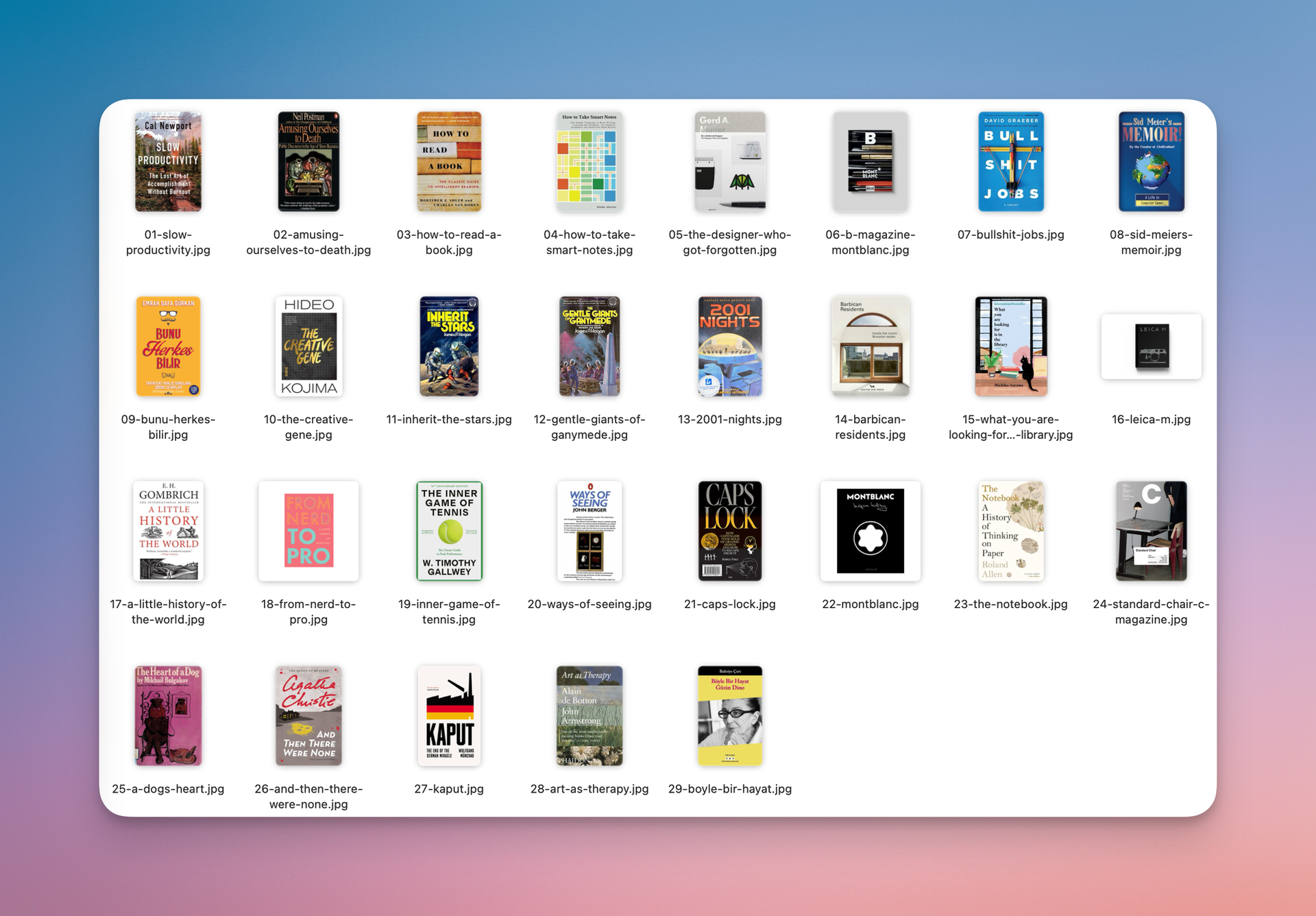
I’ve read quite a few books in 2025, and this time, instead of using Goodreads, I decided to keep a list in my personal notebook. I also wrote down the date I finished them.
Books are a big part of my life. When I was very young, I had a membership to our local library in our city in Germany, and I would just use my bike, get tens of books, and read them until evening. Every week, I would do that, for years. Back then, the internet was just starting to take off in Germany, but books were the only medium through which I could learn and satisfy my curiosity.
Usually, when I play games, I stop reading. If I watch something (like a TV show), I stop playing games or reading books. If I’m heavily learning a new piano piece, I stop doing everything else. People ask me how I can do all of this. For me, it’s easy: I just do one thing and focus all my energy on it. If I’m reading a book, once the kids are asleep, I have 3–4 hours each evening, and I also have free time on the weekends. So it’s possible to read a lot of books as a father of two kids. I could probably read even more if I stopped spending time on other things, like writing for my blog, learning piano, or doing industrial design (see my Works page).
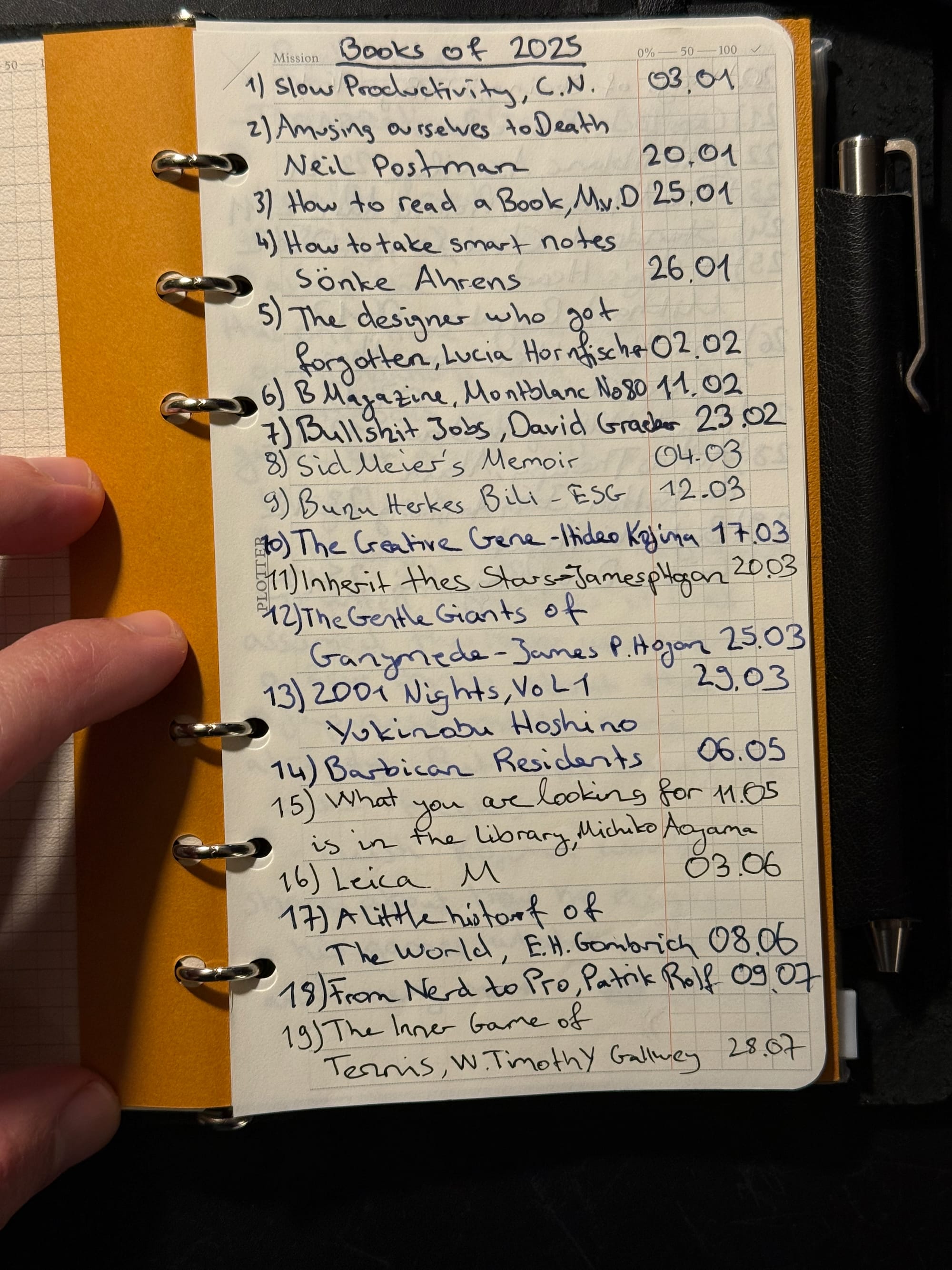
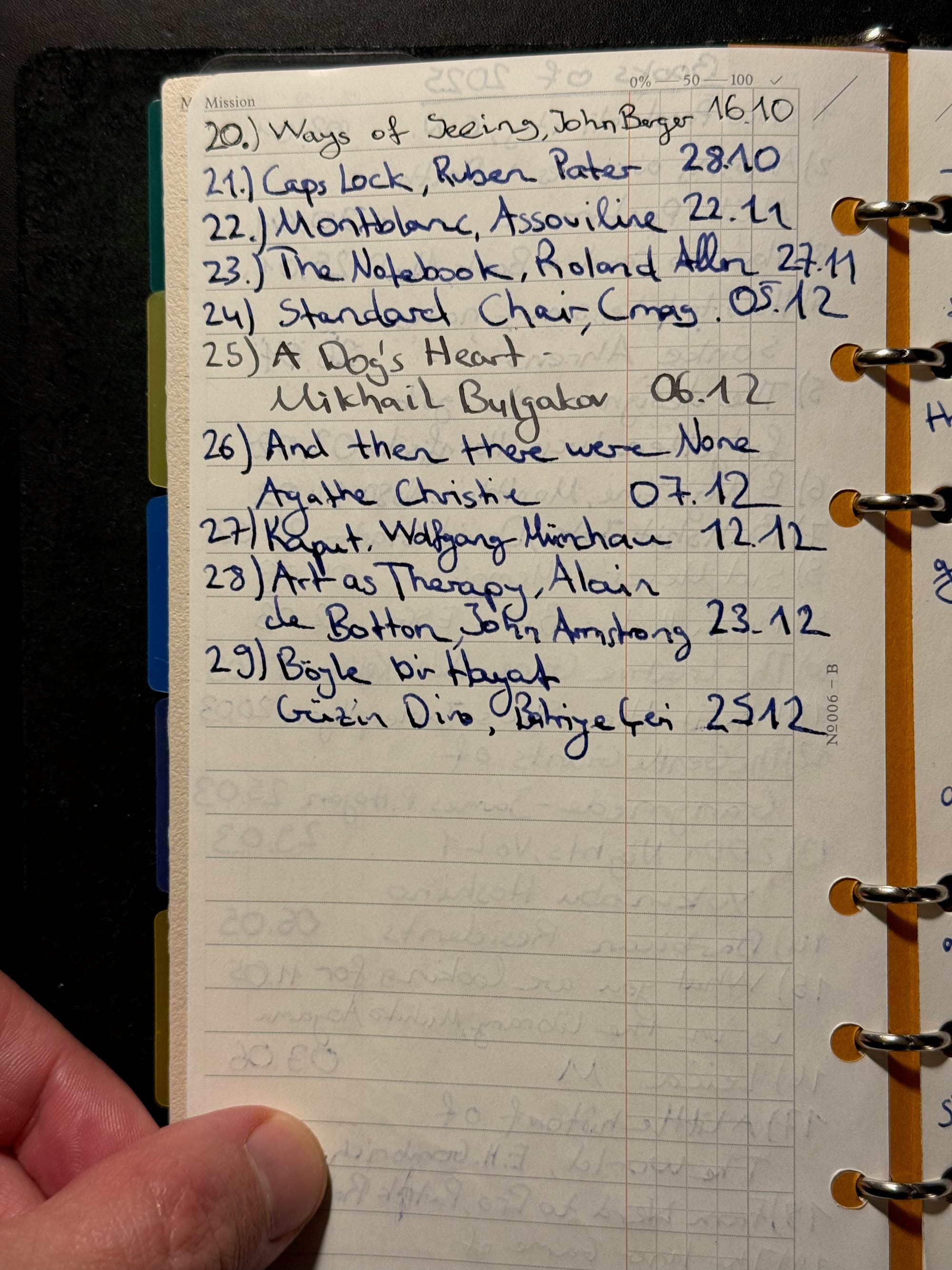
I used my Plotter notebook and wrote down the name and date whenever I finished a book.
Second, kids are very good at copying you, so I also sometimes read books next to them, after dinner for example, so they get used to it. My daughter, for example, picks up a children’s book and comes and sits down next to me. It’s rare, but that also helps.
Alright, enough of the introduction. Let’s get into the books and magazines I’ve read. Some of the magazines are just lengthy, so I think of them as books. Second, some books are just full of fillers, so I’ll get to that. If I see that the author just filled the book to make it larger, I skip certain sections. It’s rare, but if the author didn’t give their love to a book, it won’t earn mine either. It goes both ways.
Lastly, you can see numbers for each book. That’s the date I finished it. If you follow them carefully, you’ll sometimes see big gaps (meaning I was probably focusing on other things) and sometimes very little gap, meaning I was locked in and focused on reading.
This is a long read, so grab your favorite coffee ☕️ and let’s begin!
1. Slow Productivity
Cal Newport - 03.01
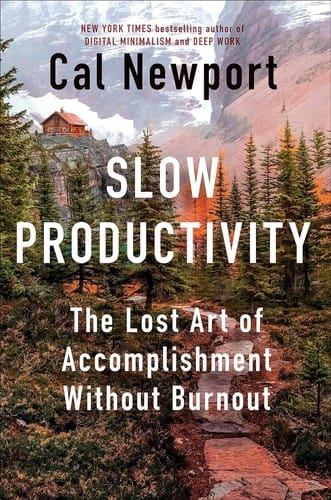
I’ve read a few books from Cal Newport already. After a while, though, I get used to his tone and ideas. Deep Work is one of them. In this book, he actually makes similar points but from a different point of view. Here, he says that if you want to produce remarkable work, it won’t happen immediately. In fact, it will happen slowly, by building up and doing fewer things. So instead of working harder, he argues that we should slow down, but be deeply engaged during those times. I kinda like the idea, but I think it depends highly on the character and books like this generalize these ideas. Keep that in mind.
2. Amusing Ourselves to Death
Neil Postman - 20.01
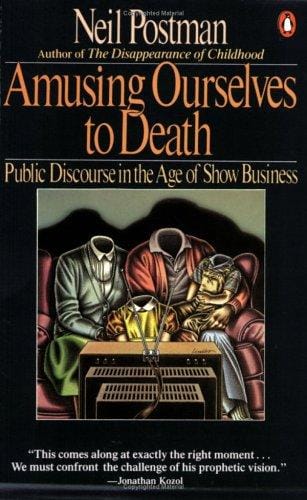
Reading this book made me realize that nothing has changed since it was written 40 years ago. It’s still relevant today, maybe even more than we think. In the book, he talks about how television changes people and makes them dumber.
One thing that stuck with me was how TV is always about the “now” and rarely about issues that actually affect us in the long term. Because of this, politicians, for example, become showbiz figures rather than calm people arguing over real issues. And just like with social media, we’re very easily affected by the bombardment of small pieces every single day, without realizing how bad it is for us. It’s a little outdated, but still worth reading just to see how the world has, or hasn’t, changed in the past 40 years.
3. How to Read a Book
Mortimer J. Adler - 25.01
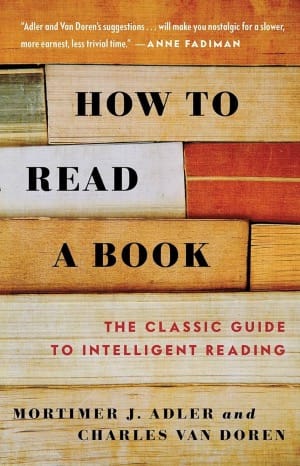
I had some high hopes for this book, but I’m not sure I liked it that much. It had too much filler, in my opinion, and the ideas could have been distilled into a few paragraphs. One thing I liked was how to actually pick up a book to read: how one should read the front and back covers, then the author’s intro, the table of contents, etc., before even starting the book.
Second, the book goes into depth on how a reader should actively engage with a book. The author argues that reading shouldn’t be passive consumption, and that we should always be asking questions. I was already doing all of this naturally for years, so the book didn’t have any new insights for me.
4. How to Take Smart Notes
Sönke Ahrens - 26.01
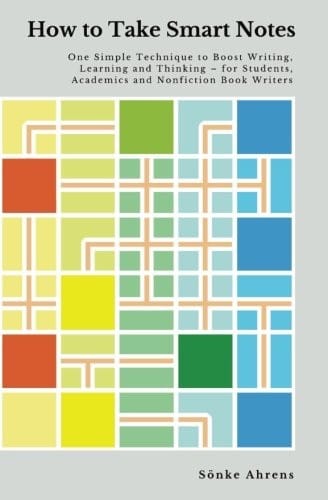
This book introduced me properly to the Zettelkasten method, a note-taking system developed by the German sociologist Niklas Luhmann, who published 70 books and over 400 articles using index cards. The core idea is simple: don't just highlight and forget. Write notes in your own words, connect them to existing notes, and let ideas emerge from the connections. I wrote a whole blog post about this, so go ahead and read it. Highly recommended.
5. The Designer Who Got Forgotten
Lucia Hornfischer - 02.02
This is the first book about Gerd A. Müller, who worked alongside Dieter Rams at Braun but faded into obscurity while Rams became the icon of German industrial design. Müller designed the LAMY 2000 fountain pen and the Braun KM3 food processor, objects that influenced design language for decades.
I realized that some people who influenced and created objects that lasted for decades will be forgotten no matter what. For example, everyone knows the Lamy 2000, but no one knows Gerd Müller. I really enjoyed it because I’m a huge Bauhaus/Braun/Dieter Rams fan, and this was right in that alley. I'm not sure if you can buy this, but I got it when I bought a limited edition Lamy 2000 dedicated to Gerd Müller.
6. B Magazine: Montblanc No. 80
B Magazine - 11.02
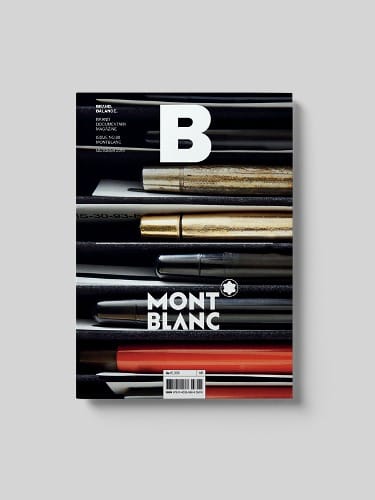
B Magazine is one of my favorite magazines. They dedicate each issue to a single brand, offering in-depth analysis without advertising or sponsorship from the featured company. This issue covers Montblanc’s journey from a fountain pen manufacturer in 1906 to a luxury brand. The sections on nib manufacturing in Hamburg and the interviews with collectors are particularly detailed. I probably have around 20 B magazines at home from several brands. Worth checking out if you like a particular brand.
7. Bullshit Jobs
David Graeber - 23.02
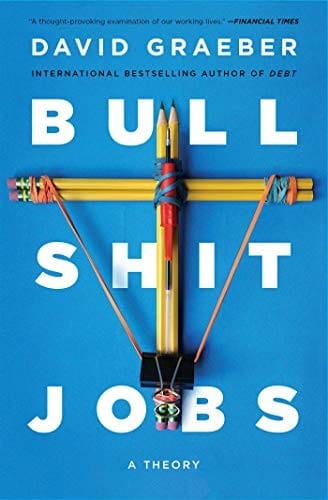
This is not my first Graeber book. I also started reading Debt. Around 100 pages in, I just couldn’t handle the writing style. I think Graeber is a phenomenal person, but he needs a good editor. Once I told this to a friend, he suggested I pick up this book, because it’s a bit more organized. (Nit: I later watched a one-hour video about Debt where the person explained it much better than Graeber.)
In the book, he defines a “bullshit job” as one where even the employee cannot justify its existence. There is a paradox where technology should have given us more leisure, but instead we’ve created elaborate bureaucracies filled with roles that produce nothing of value. If they ceased to exist tomorrow, nothing would change. The book goes into the reasons why these jobs exist. One is that companies need to prove they exist and justify their existence. Another is that jobs are seen as morally worthy. Your whole identity is tied to work, so people cling to it even if it’s useless.
It’s a dense but good book, and I really enjoyed it. Definitely worth reading.
8. Sid Meier's Memoir
Sid Meier - 04.03
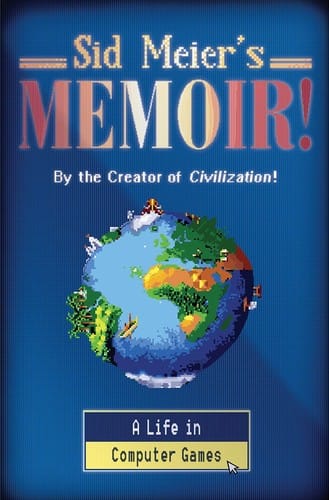
I love books about game designers and engineers. Every geek knows Civilization. As someone who poured hours into that game, I really loved this book. Sid Meier goes into detail about how he co-founded MicroProse and went on to create the legendary game Civilization. One thing that stuck with me: I always thought he was over the top and egoistic, but reading the book made me realize he just loves what he does, and that sometimes marketing and stakeholders have more power than you realize. Definitely worth reading. And who doesn’t love a good memoir?
9. Bunu Herkes Bilir
Emrah Safa Gürkan - 12.03
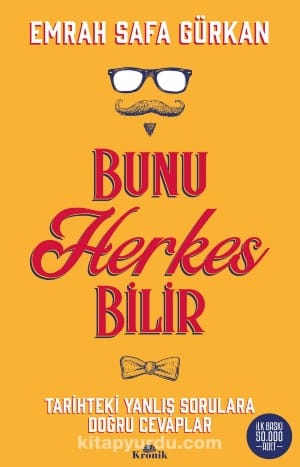
This is a Turkish book. Emrah Safa Gürkan (ESG), a famous historian and professor in Turkey, takes on historical misconceptions. His style is what I like most: accessible and often ironic. The subtitle, translated as “Correct Answers to Wrong Questions in History,” captures the approach well.
He challenges what “everybody knows” about topics like the Little Ice Age, the Price Revolution, the Enlightenment, and the Protestant ethic. I really loved it. Unfortunately, it’s Turkish only. If he ever releases it in English, I’ll share it here. He has a few other famous books, including one about the spies of the Ottoman sultans, worth checking out if you’re into history.
10. The Creative Gene
Hideo Kojima - 17.03
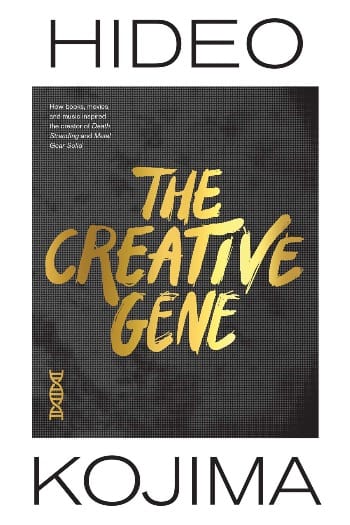
This book was a gem. Hideo Kojima is a legendary game designer, and in this book he reveals the books, films, and music that shaped the creator of Metal Gear Solid and Death Stranding. After reading this, you’ll see several books I purchased based on his recommendations. I also watched a few movies afterwards. I think you should read this not only for the recommendations, but also to understand how Kojima became the person he’s famous for. For example, I didn’t know he was such a huge fan of cinema.
11. Inherit the Stars
James P. Hogan - 20.03
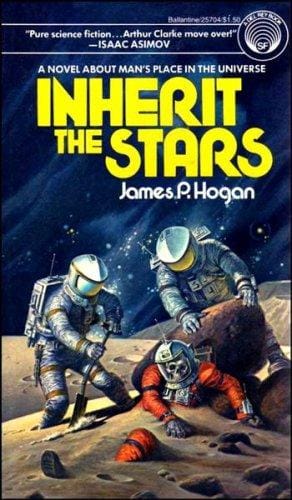
This was one of Kojima’s recommendations. The book was published in 1977 and was extremely hard to find. It’s no longer printed, and I live in Turkey, so finding a sci-fi book from almost 50 years ago isn’t easy. Luckily, a friend told me I could read it on Kindle.
The story is very intriguing. Humanity finds a dead body on the moon. The caveat? The body is 50,000 years old. The story starts slow, but then the pace becomes phenomenal. Highly recommended.
12. The Gentle Giants of Ganymede
James P. Hogan - 25.03
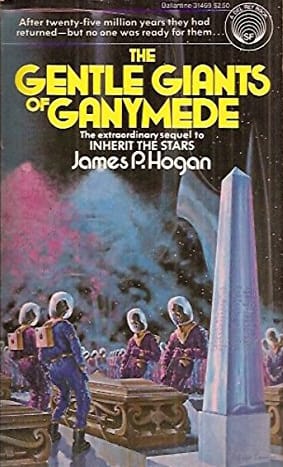
The sequel to Inherit the Stars shifts from mystery to first contact. A 25-million-year-old spaceship is found beneath Ganymede’s ice, and its crew, the Ganymeans, turn out to still be alive due to relativistic time dilation. The book explores the encounter between humans and these benevolent aliens.
Unlike the first book, I think the second one lost some of its magic. The pacing wasn’t great, and suddenly the course of the book changes and you’re dealing with a different set of problems. Still a good read if you enjoyed the first book. It’s actually a trilogy. I didn’t read the third one, because this was where I drew the line. The third book goes even more extreme.
13. 2001 Nights, Vol. 1
Yukinobu Hoshino - 29.03
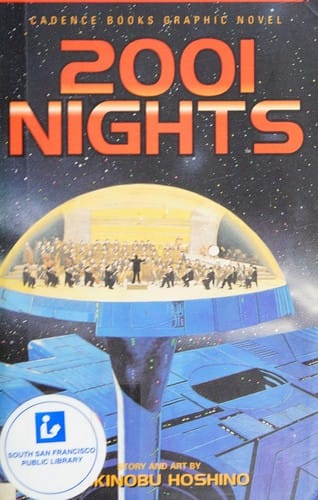
Another recommendation from Kojima’s book. This is a manga anthology inspired by 2001: A Space Odyssey and One Thousand and One Nights. Each chapter is a standalone science fiction story, loosely connected across centuries of human space exploration. Hoshino’s art is detailed and atmospheric, blending hard science with poetic imagery.
The format allows for experimentation. Some chapters focus on technical challenges of space travel; others explore philosophical questions about humanity’s future. I really enjoyed it, especially the artwork. I’d suggest watching 2001: A Space Odyssey first, as there are many references to it (for example, the monolith).
14. Barbican Residents
Hoxton Mini Press - 06.05

I went to London and visited Barbican. Check out my blog post about it: "The Barbican". It also got featured in the Financial Times. Barbican is a brutalist complex in the heart of London, and it’s just beautiful. There are venues, restaurants, and of course people living there.
Barbican Residents shows around 20 families and individuals living in various-sized apartments in the Barbican. It’s a beautiful book with lots of interior photos and apartment plans. Definitely check it out if you want more of the Barbican but can’t physically be there.
15. What You Are Looking for Is in the Library
Michiko Aoyama - 11.05
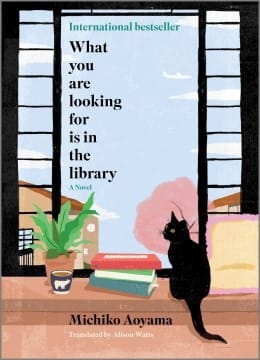
Yet another recommendation from Kojima’s book. I wanted to read something wholesome, something that feels like sitting next to a fireplace with warm cookies. This book is exactly that. It’s about five people in Tokyo, each struggling with their lives, who visit a community library where a perceptive librarian recommends exactly the books they need, and one they didn’t know they needed.
I enjoyed the themes. It’s a very easy read. The topics aren’t very deep, and you shouldn’t expect anything literary. If you want something light and relaxing, it’s nice. It won’t make you say “wow,” but it doesn’t try to
16. Leica M
Leica Camera AG - 03.06
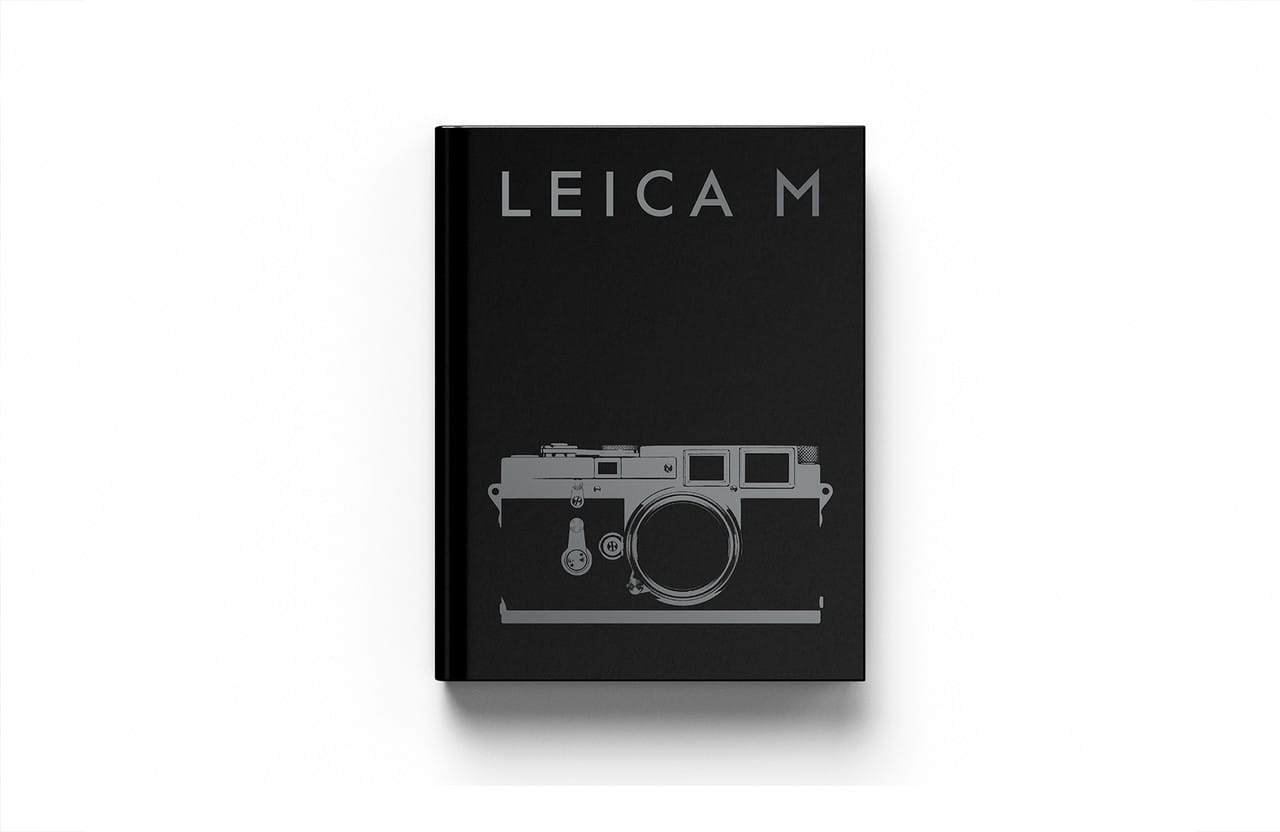
This is a heavy coffee table book celebrating 70 years of the Leica M system. Over 250 pages of essays, archival images, and photographs from photographers who’ve used the M, from Henri Cartier-Bresson to contemporary street photographers.
I’ve been using a Leica M11 for the past three years and really love it. The book goes into manufacturing details, the historical evolution of the camera line, and most importantly, photographer profiles. It’s nicely bound and a great conversation starter.
17. A Little History of the World
E. H. Gombrich - 08.06
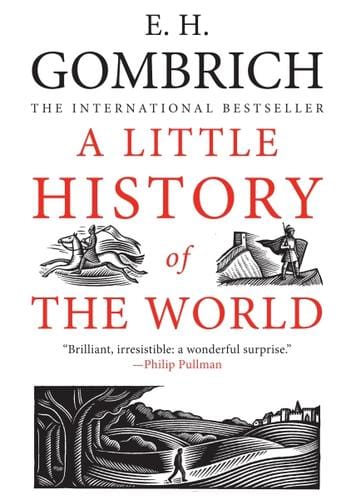
When I visited the Barbican, a friend suggested I get two books while we were walking around the museum shop. One of them was this book by Gombrich. This was probably my favorite book of the year. Gombrich wrote it in six weeks at age 26, aiming to explain world history to children. The result is remarkably readable. Wars and conquests, art and philosophy, all rendered in clear, engaging prose. It spans from prehistoric times to World War I.
Of course, like many Western books (Gombrich was writing for German schoolchildren), it’s very Eurocentric, so don’t expect much on Asian history, for example.
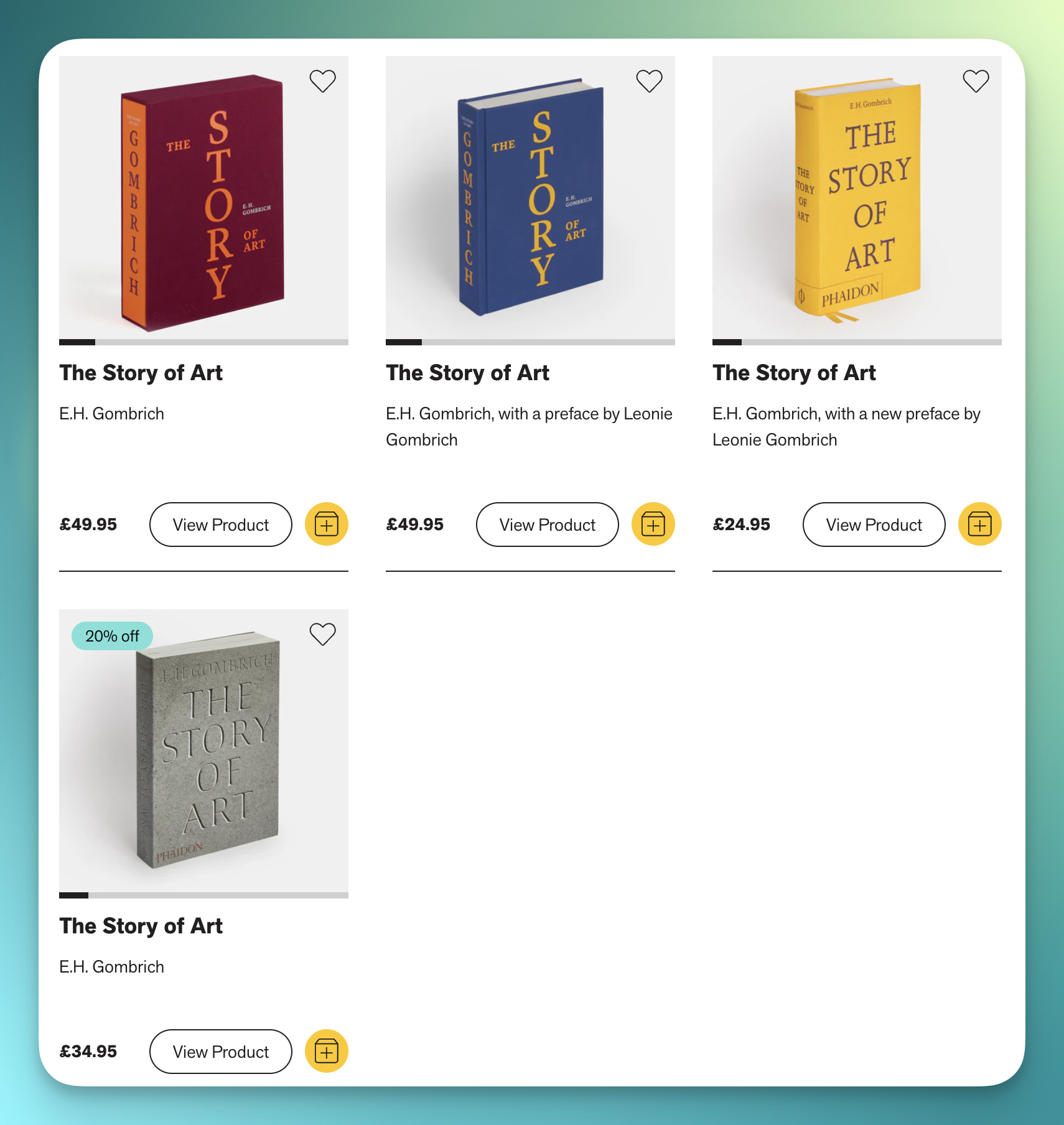
I liked this book so much that I researched Gombrich further and discovered that he’s also the author of one of the most important art books ever written, The Story of Art. I bought it because I’ve always wanted to understand art better. Phaidon publishes several versions. This is one of the books I’ll try to read in 2026, slowly, piece by piece.
18. From Nerd to Pro
Patrik Rolf - 09.07
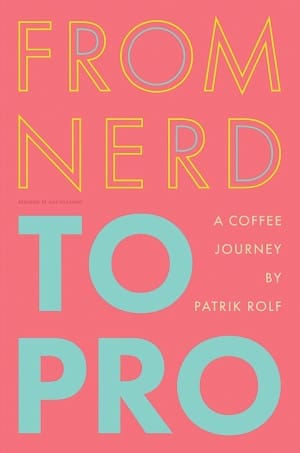
When I visited Copenhagen last year, I went to several coffee shops. One of them was April Coffee Roasters. The interior, the coffee, the pastries, everything was phenomenal. I got curious about the founder and discovered that Patrik Rolf also wrote a book about his coffee journey.
In this book, Rolf explains his first decade in specialty coffee, from tech startup employee to World Brewers Cup silver medalist and founder of April Coffee Roasters. It’s an honest story about learning to roast, starting a business, and navigating the coffee industry.
I really enjoyed it, and it gave me a very different view of the coffee world. Definitely worth reading if you’re into coffee.
19. The Inner Game of Tennis
W. Timothy Gallwey- 28.07
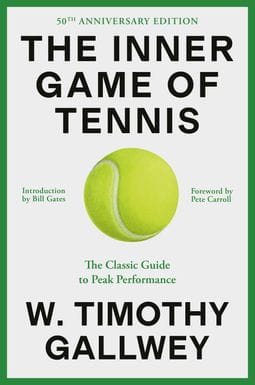
Here in Ankara, there’s a great Neapolitan pizza place called Studyo Pizza. Whenever I go there, the owner Murat and I talk about various things. Murat is a solid athlete. Not only does he make some of the best pizza in Ankara, he also surfs, plays tennis, and more. When I told him my kids would attend a summer school focused on tennis, he mentioned that he also teaches small children.
He suggested I read this book. I bought it immediately. The core idea is that performance improves when the judging mind (Self 1) quiets down and trusts the intuitive, skilled body (Self 2). Although it’s written about tennis, the ideas apply to any skill.
I’m mixed on this book. It doesn’t really offer actionable exercises, and the Self 1 and Self 2 framing didn’t fully convince me. Maybe I’ve never struggled enough with inner resistance, or maybe I’ve just read enough productivity and self-improvement books. If you’re curious and have time, it might still be worth checking out.
20. Ways of Seeing
John Berger — 16.10
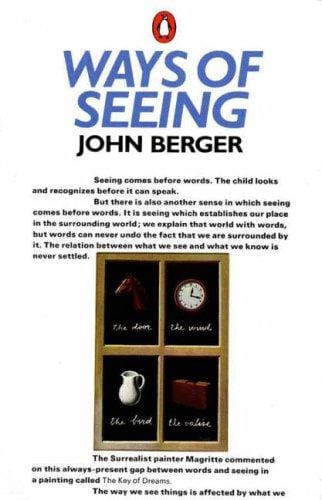
I picked up this book impulsively while walking with my kids in a bookstore inside a big shopping mall. The title and introduction intrigued me. It’s not a new book; it was written in 1972. Adapted from a BBC series, it transformed how we think about visual culture. Berger’s core argument is that what we see is never neutral. What we notice, feel, and think about art is shaped by power, class, and culture.
One idea that stuck with me is about reproduced art. If you print the Mona Lisa in a magazine, Berger argues, its meaning changes because you remove it from its original place and context. Some art needs space to flourish, just like some flowers need specific conditions.
I really liked this book, especially because I want to learn more about art, but it wasn’t an easy read. Art books are rarely introductory and often assume prior knowledge.
21. Caps Lock
Ruben Pater - 28.10
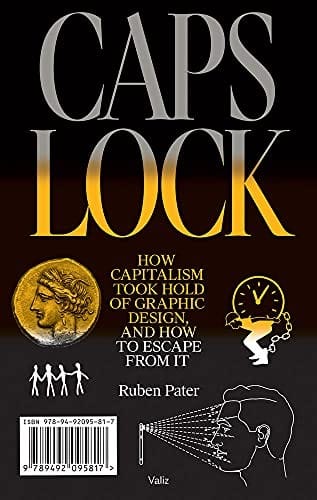
This was one another of my favorites of 2025. It’s a critical history of graphic design’s relationship with capitalism. Pater argues that design can’t be separated from the economic systems it serves, from banknotes to branding to interfaces. Even “social” or “speculative” design can be co-opted to serve growth.
The book is structured around the roles designers occupy, like Educator, Engineer, or Activist, and examines how economic forces shape practice. The conclusion profiles six collectives practicing anti-capitalist design. It’s not neutral and very political, but it gave me a different perspective on how design serves people. Highly recommended.
22. Montblanc
Assouline - 22.11
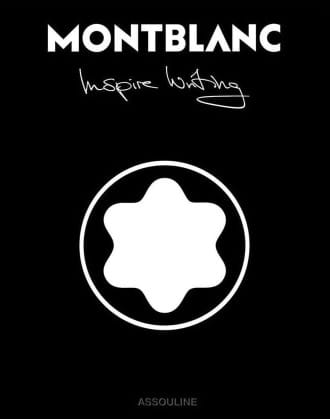
I visited Hamburg a few months ago and toured Montblanc’s manufacturing plant, also called the Montblanc Haus. There, I saw this large coffee table book explaining the company’s history, with close-up nib photos, workshop scenes, and archival documents.
The photos are great, but the book is extremely hard to read. It’s huge, and I really mean it. I also think B Magazine’s Montblanc issue does a much better job explaining the brand’s ethos. Still, if you like fountain pens and Montblanc, it’s probably worth owning.
23. The Notebook
Roland Allen - 27.11
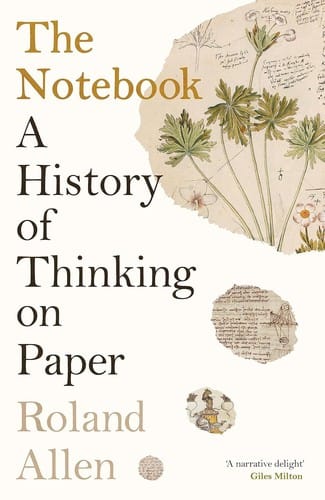
Another favorite of 2025. The author traces the evolution of notebooks, from wax tablets and parchment to paper, and examines how figures like Leonardo, Darwin, and Newton used them to develop ideas. I couldn’t stop reading it. The first half especially was excellent. It gets repetitive at the end though.
You don’t just learn about notebooks; you also learn how, for example, the House of Medici shaped Europe. I also learned about different notebook types, like the zibaldone, an ancestor of commonplace books. Reading this reminded me of a notebook I had in primary school, where you gave it to friends and teachers and they filled a page.
24. Standard Chair
Magazine C — 05.12
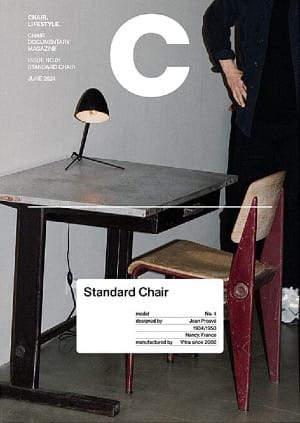
Magazine C is a spinoff of Magazine B and focuses only on chairs. The first issue is entirely about Jean Prouvé’s Standard Chair. From its origins as Chair No. 4 in 1934 to mass production by Vitra, the magazine traces how Prouvé refined a single design over decades.
I’m a design nerd and have various designer chairs and couches at home. Jean Prouvé is one of my favorite designers. I own his Lampe de Bureau from 1930. This chair is iconic and has a huge following. Like Magazine B, this issue does a great job showing collectors in Paris, New Jersey, Amsterdam, Seoul, and Tokyo, and how the chair fits into different lives and spaces. If you’re into industrial design, definitely check it out.
25. A Dog's Heart
Mikhail Bulgakov — 06.12
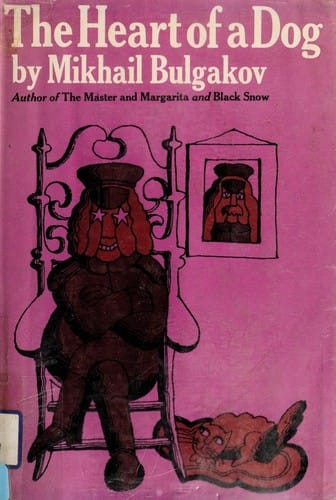
This was the other recommendation from my friend while strolling around the Barbican. It’s a satirical fable written in 1925 and was banned in the USSR until 1987. The premise is strange: a professor transplants human organs into a stray dog, which turns into a rowdy Soviet citizen. It’s comedy, horror, and political satire, which explains the ban.
The Soviets came in saying they would build a classless society, putting the ignorant drunk worker on the same level as the doctor. To keep the regime alive, loyalty became what was rewarded. The doctor gets pushed out for not showing unconditional obedience, while the ignorant bootlicker climbs the ranks through loyalty alone.
It wasn’t my favorite, but it was very different. Like eating food that tastes nothing like what you’re used to. For that reason alone, I’d recommend it. I believe we should sometimes expose ourselves to completely different experiences.
26. And Then There Were None
Agatha Christie — 07.12
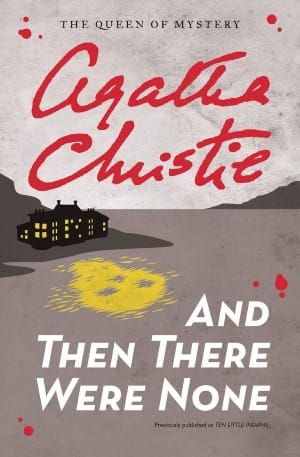
Another recommendation from Kojima. I’d also wanted to read Agatha Christie for years. I finished this book in a single day. That’s how captivating it was. Christie is famous for her thrillers and is known as the Queen of Mystery.
Ten strangers are lured to an island, each guilty of causing someone’s death but escaping punishment. One by one, they’re killed according to a nursery rhyme. Christie herself called it her most difficult book to write, and it became the best-selling mystery novel of all time.
I loved it so much that I bought two more copies, one for my wife and one for my sister. The only thing I’m unsure about is the ending. I expected certain things to make more sense. But I guess that’s why it’s called a mystery.
27. Kaput
Wolfgang Münchau — 12.12
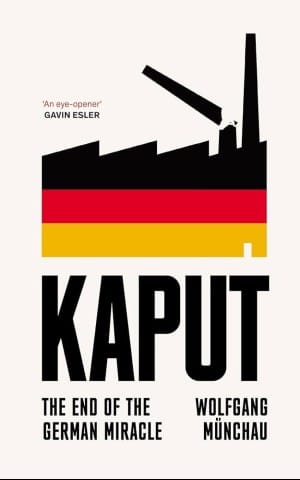
This book is a really nice overview of Germany’s economy of the past 30/40 years. It explains how the old model that built its success, like big export factories, tight budgets, having cheap energy (via Russia), and a good relationship with China, doesn’t work anymore, and that several decisions starting from the 80/90s actually started the downfall of the current state.
So what happened is that Germany got stuck in the past. It goes on to explain how Neo-mercantilists (people who argue that exports should be the only goal and minimize imports) created a huge dependency on abroad countries, and together with the debt-break (a law that doesn't allow Germany to take on debts), creates an inner economy that couldn't innovate and hence missed the shift to newer tech. It also explains how the various political figures always choose old and outdated technology due to their voter base.
I don't think this is a "doom" book, btw. The author also explains how Germany always found a way to go out of bad economic choices. For the author, the “German miracle” has run out of steam because leaders kept doing the same thing and hoped for different results (left and right doesn't matter). He concludes that if big, old industries can’t adapt and politics won’t take bold risks (like car companies not adopting EVs in a meaningful way), that Germany will keep losing ground.
Definitely a good read. It's an easy read, but will give you a good perspective.
28. Art as Therapy
Alain de Botton, John Armstrong — 23.12
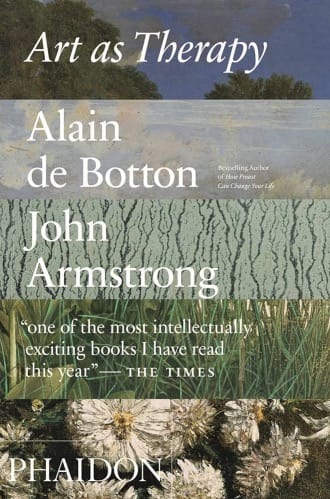
Some art books tell you how to read art correctly. Art as Therapy proposes something different: that art serves human needs like remembering, hoping, grieving, and understanding ourselves. The authors even suggest reorganizing museums by emotional themes rather than chronology.
The book was hard for me to read, language-wise, but I really liked the idea that art can be treated differently. It also goes into pragmatic topics like money and politics. A good book if you want a different way of thinking about art.
29. Böyle Bir Hayat: Güzin Dino
Bahriye Çeri — 25.12

This is a Turkish book, and I don’t think there’s an English translation. I recently acquired an original artwork by Abidin Dino. When I shared it on Instagram, someone suggested this book.
This book is about his wife Güzin Dino. The book is based on conversations between Bahriye Çeri and Güzin Dino, recorded during visits between 2003 and 2011. Güzin Dino's life intersected with major figures in Turkish and European culture, from Nâzım Hikmet to Picasso, through her half-century partnership with artist Abidin Dino.
The book captures not just personal history, but also the cultural and political developments of the early Turkish Republic and the Parisian art scene after 1954. You can definitely feel her feelings, how she grew up in Istanbul at beginning of the Century and ended up in Paris for the rest of her life. I loved the book very much.
Verdict
As you can see, I’ve read different kinds of books in all varieties. This year I started journaling again, and my love for notebooks and pens flourished, so I wanted to read more about those. I also tried to be open-minded and picked up books I started reading impromptu, without even thinking about it.
I also started dozens of books that I just couldn’t finish, or I stopped reading because I didn’t feel it at the time. I might pick them up later, or not, we’ll see.
Thanks for reading. If you have any suggestions for what I should read in 2026, let me know!