Nakaya Aka-Tame Fountain Pen
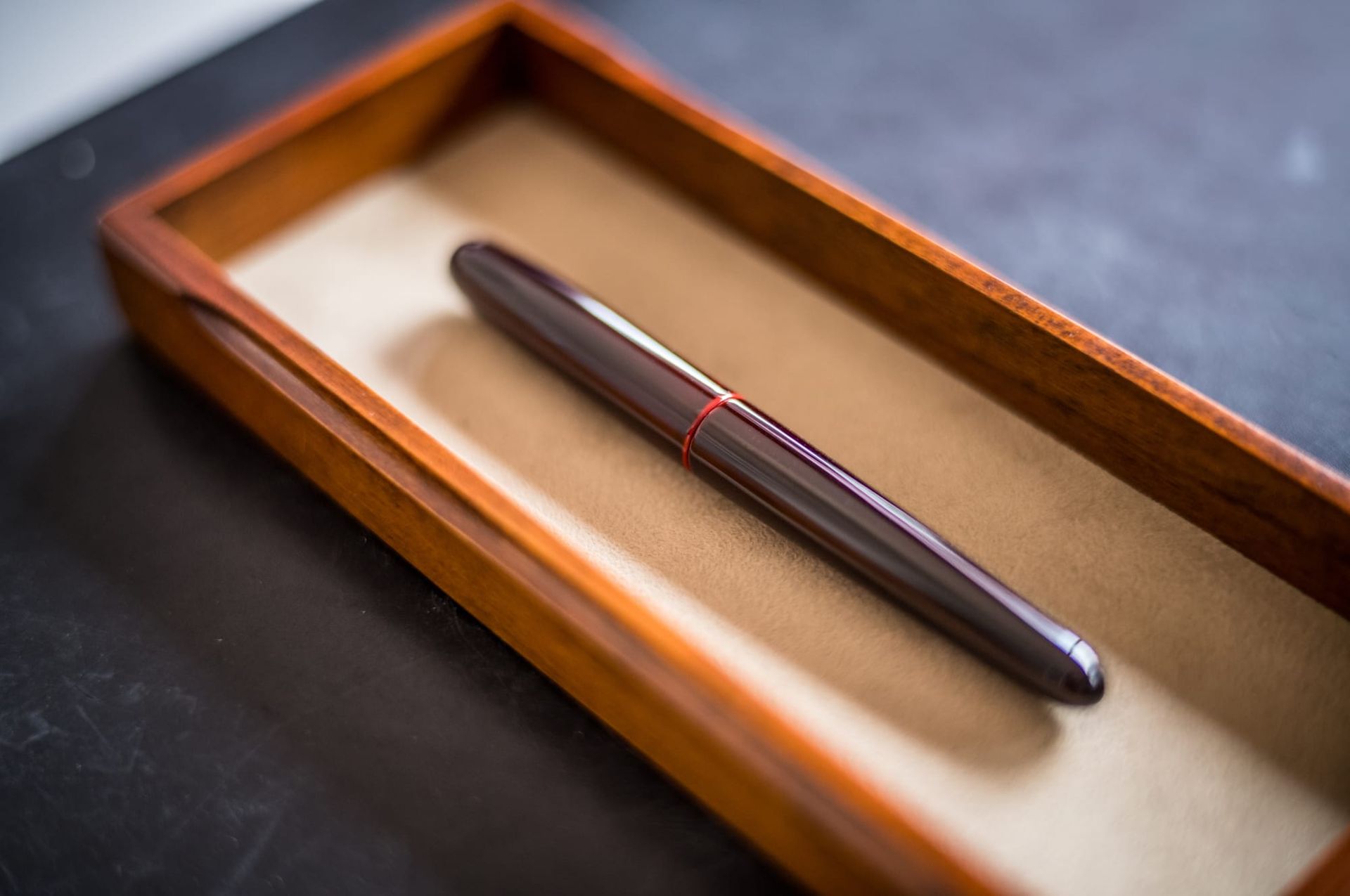
I recently acquired a new Fountain Pen: The Aka-tame from Nakaya. It is my first Japanese fountain pen, and also my first urushi pen (more on this later). After writing a few pages with it, I wanted to write down a few notes about the brand, the material, and this specific model I have. I had already written a short post about it on X, but I felt it deserved a longer write-up.
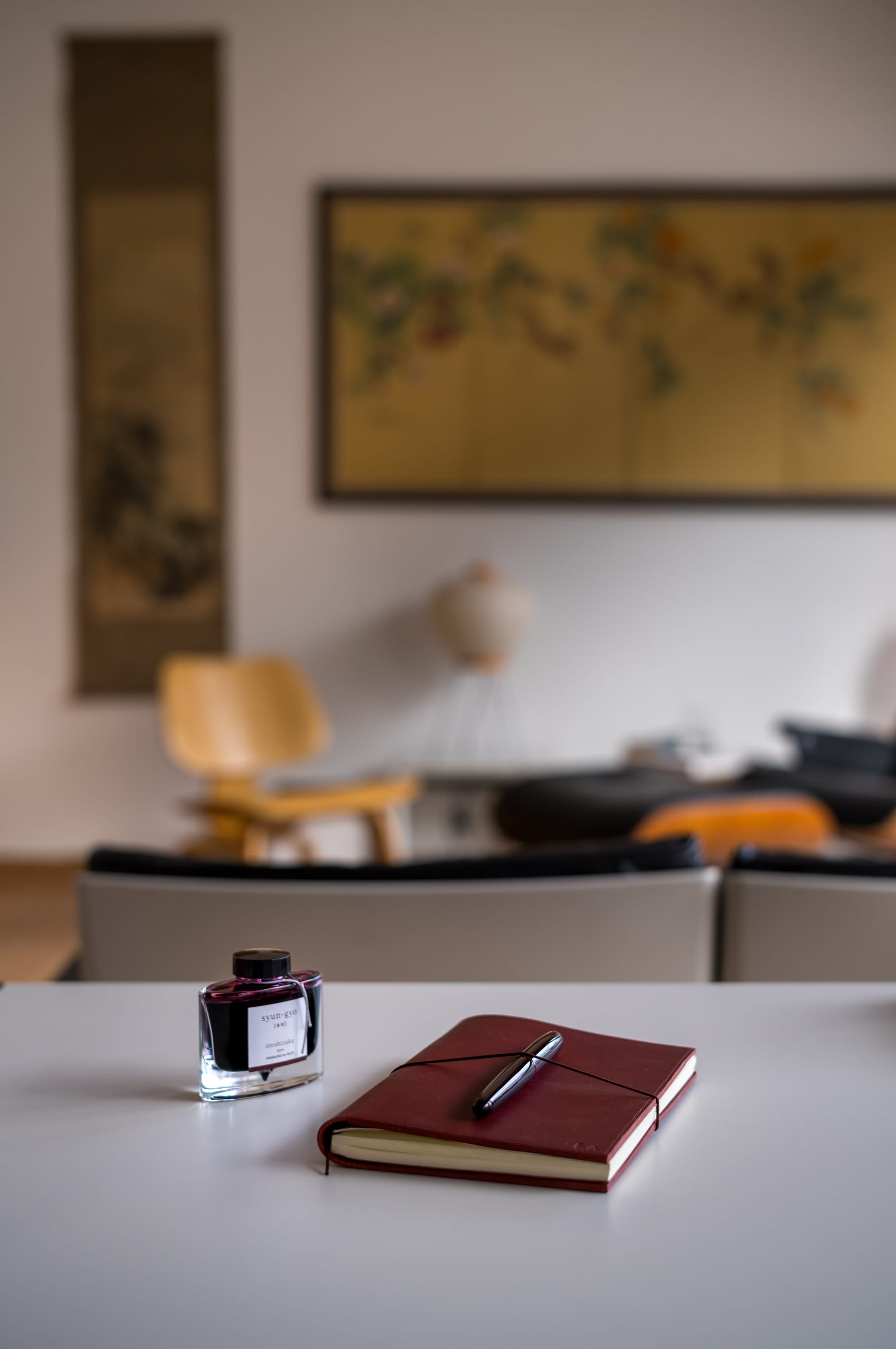
A short history of Nakaya
Nakaya was founded in 1999 by Toshiya Nakata together with experienced craftsmen from Platinum Pen. Even though the company itself is relatively recent, its roots go further back. The name comes from Nakaya Manufacturing Company, which was the predecessor of Platinum in 1924.
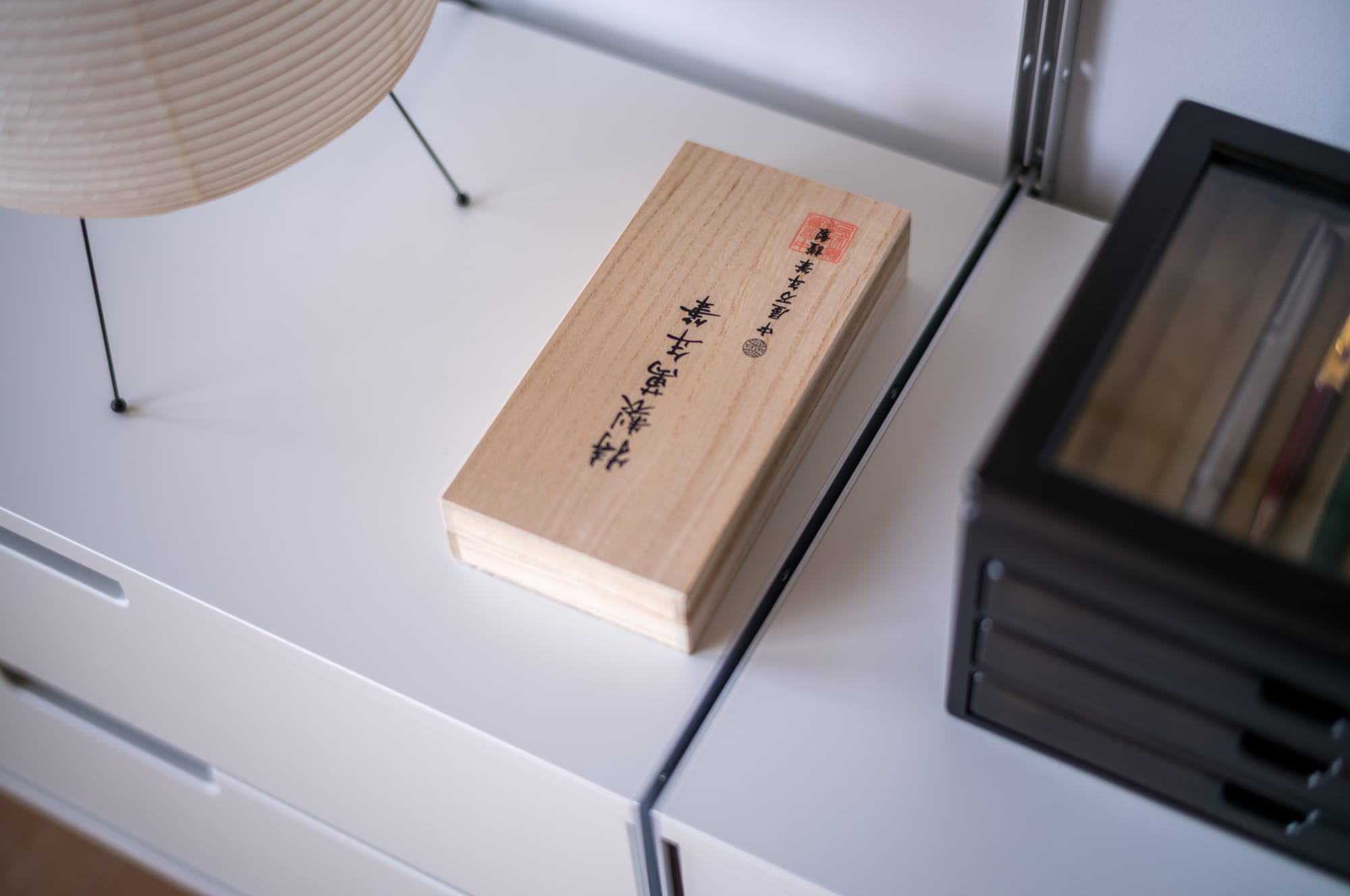
That matters because Nakaya is not a modern brand. It comes with a history attached to it. Their pens are still made in small numbers, and have a strong focus on hand-finishing and traditional lacquer work called Urushi.
Urushi and Tame-nuri techniques
One of the main reasons Nakaya stands out is urushi. Japanese Fountain Pens are famous for it. Urushi is the traditional Japanese lacquer made from tree sap and used for centuries on bowls, boxes, furniture, and decorative objects.
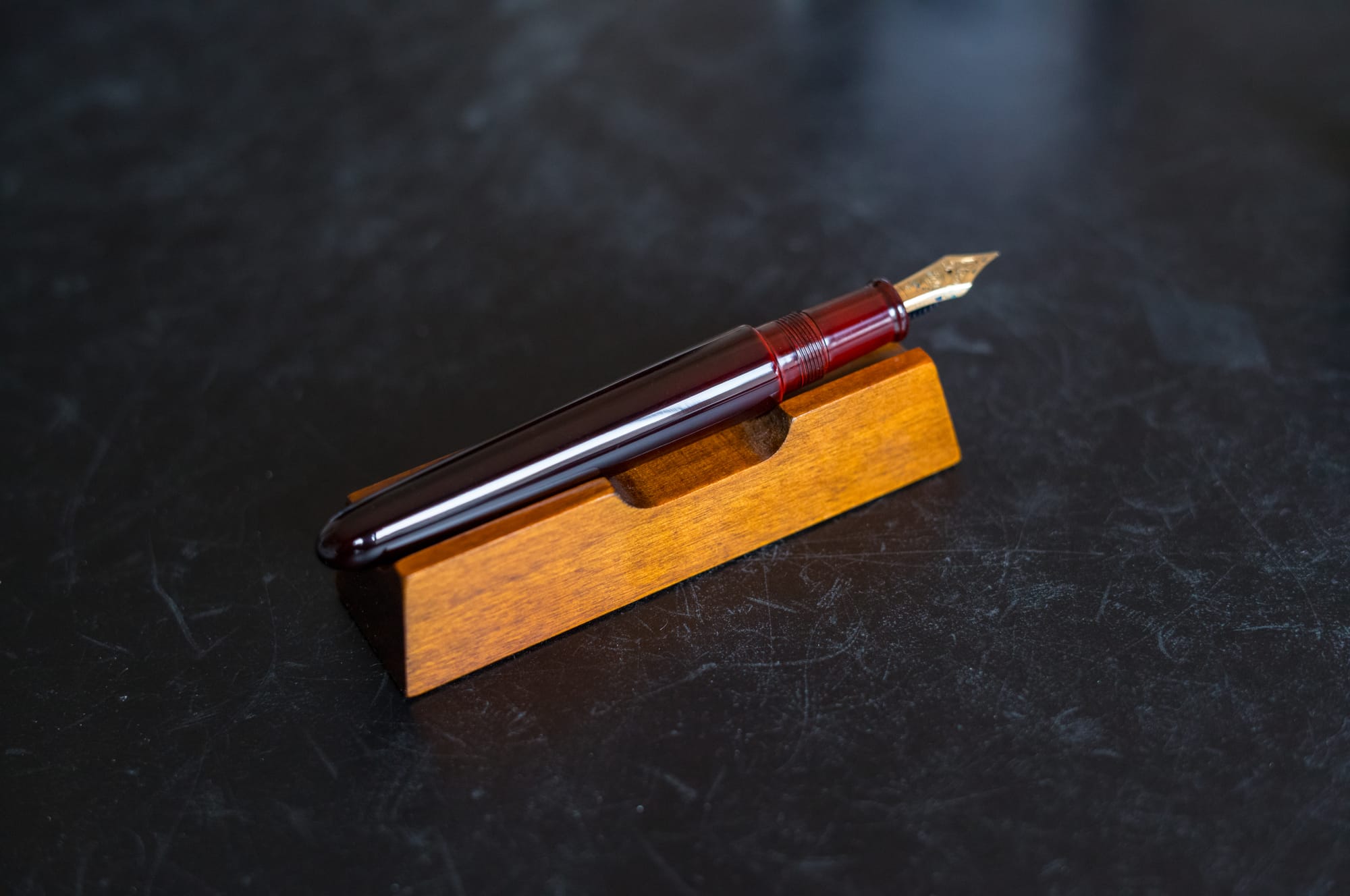
On a Nakaya pen, urushi is not just a surface treatment of course. It is one of the main characteristics of the pen. It gives the body depth, softness, and a finish that looks very different from regular resin (what companies like Montblanc uses) or painted surfaces. It also takes time to apply, because it is built up in layers and cured slowly. Compared to my Montblanc pens, it really feels very different.
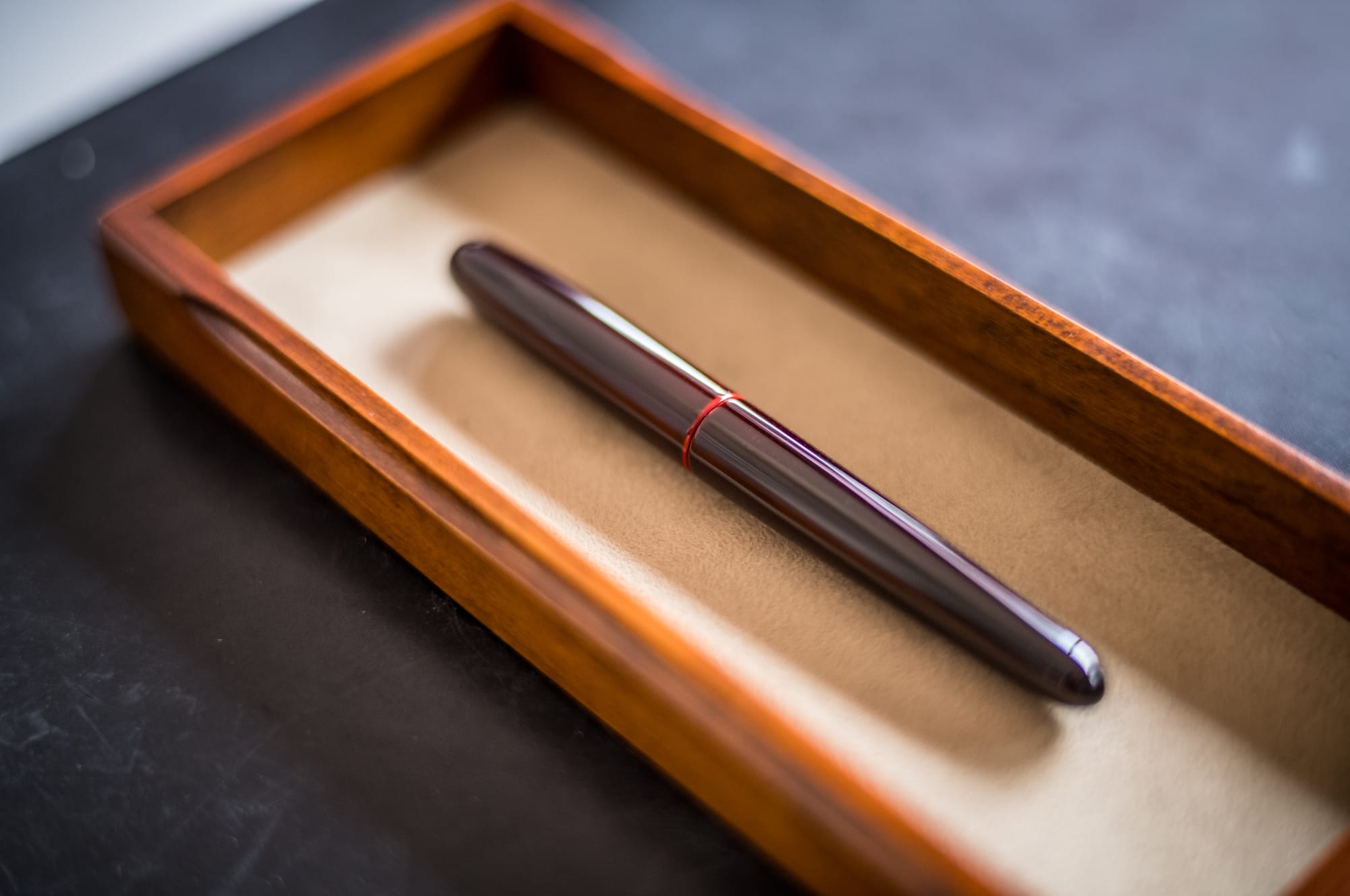
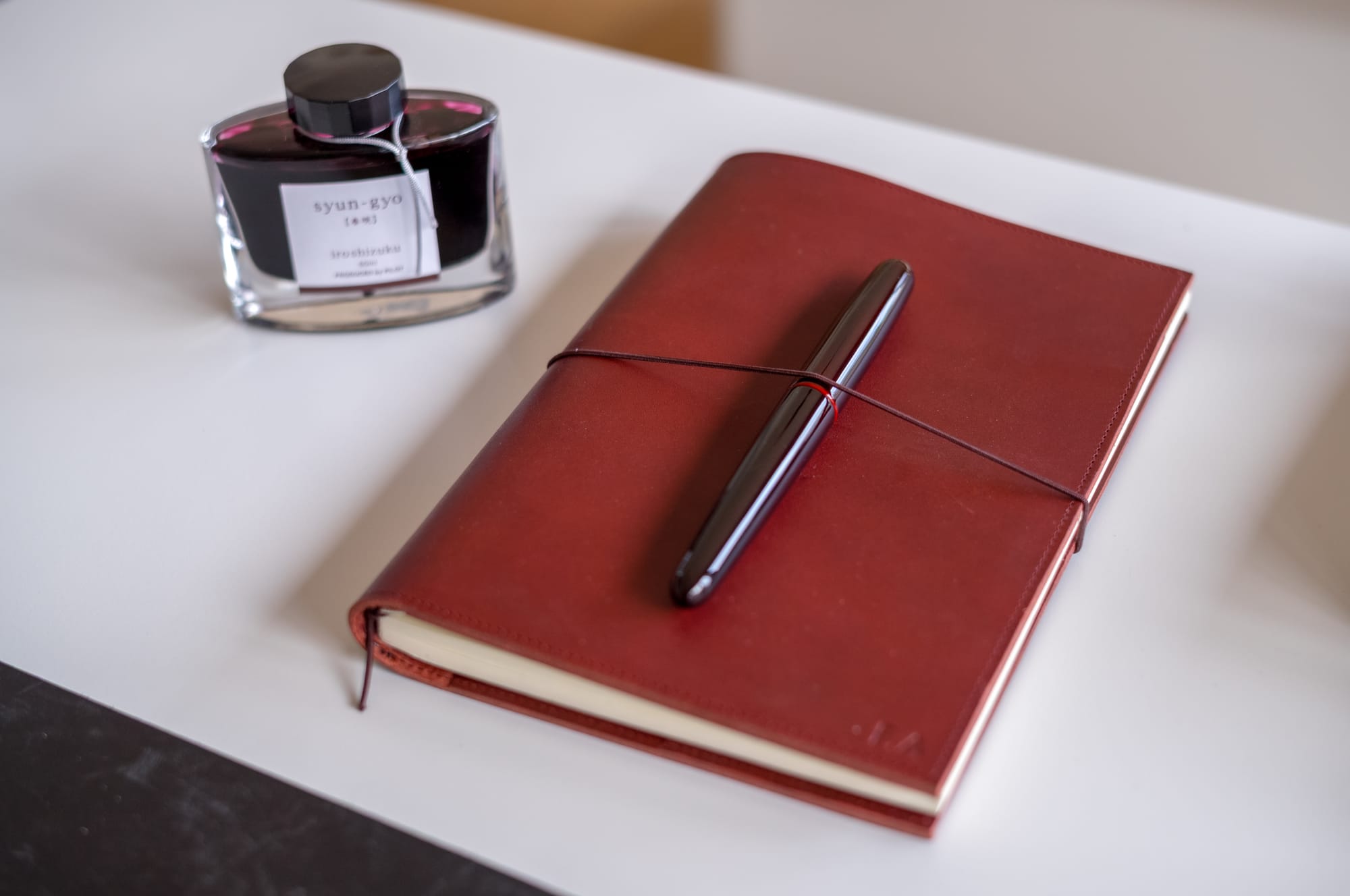
My pen is finished in Aka-Tamenuri. Aka means red in Japanese, and Tame-nuri is a finish where a colored base layer is covered with transparent. That is what gives the pen its depth (the color is not flat). In some light it looks darker, and in other light the red becomes more visible, especially around the edges and curves. Because of this, the color of the pen changes quite a bit depending on where and when you use it.
The earthquake and production delays
Making these pens takes a lot of time. The lead time is minimum 6 months (unless you buy it from a shop that has them ready to sell). However there is one thing to mention, Nakaya’s production was also affected by the 2024 Noto Peninsula earthquake. Their lacquerware production base in Wajima was severely damaged, which caused delays and a temporary suspension of some lacquered products.
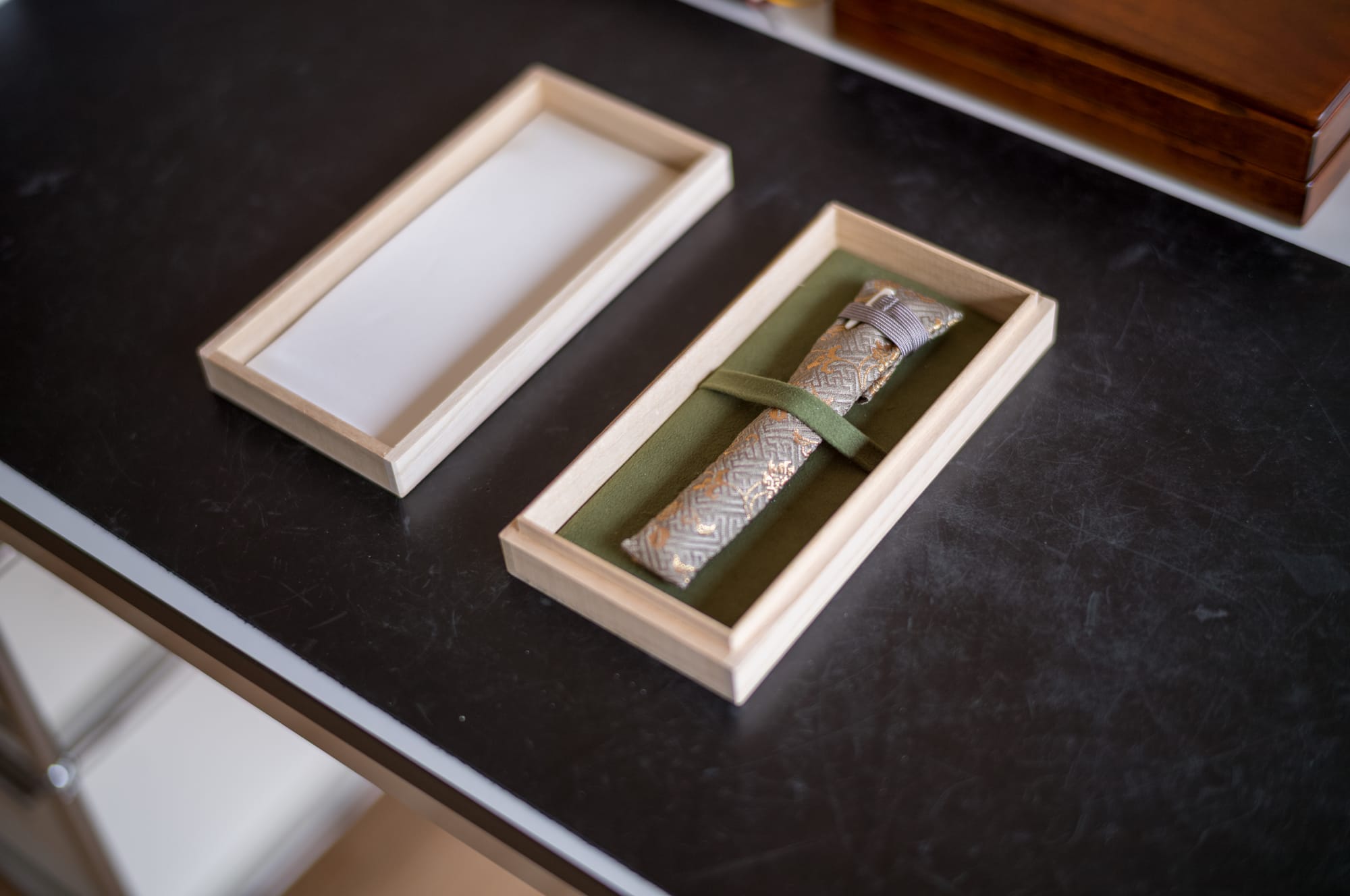
That is worth mentioning because Nakaya depends on a very specific craft tradition and region. In this case, production delays were tied directly to damage affecting the people and workshops involved in that work. During these times, the lead times for the pens went up even further, or even stopped for some time.
The Pen I Chose
My pen is the Nakaya Aka-Tamenuri Cigar Portable. It's made of Ebonite body. It is light, comfortable to hold, and easy to write with. I also noticed immediately that the Japanese nib writes finer than most Western pens I own. In use, the pen is easy to control and sits well in the hand. The grip is comfortable, and the overall balance is good. Nothing feels exaggerated.
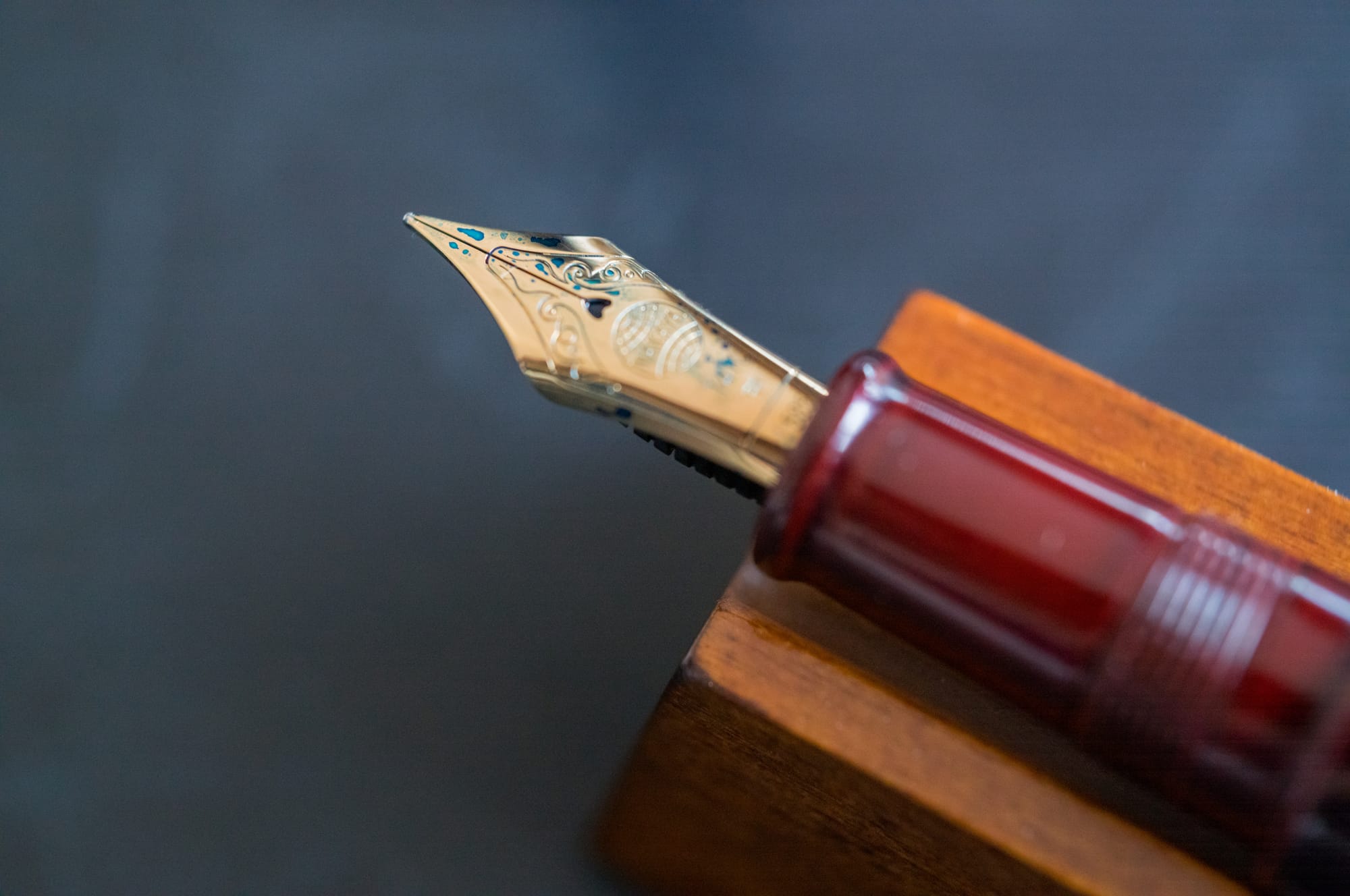
I bought it from a Belgian fountain pen boutique (Sakura Fountain Pen) that got it from Japan, shipped it to Vienna, and from there I brought it with me to Ankara, Türkiye.
Nakaya makes the cigar shape in three main sizes: Piccolo, Portable, and Long. The Piccolo is the smallest of the three. It is shorter and more compact, and probably the easiest to carry around. The Portable sits in the middle and is considered the standard size. For me, it feels like the best balance. It is long enough to be comfortable, but still compact enough to keep the proportions clean.
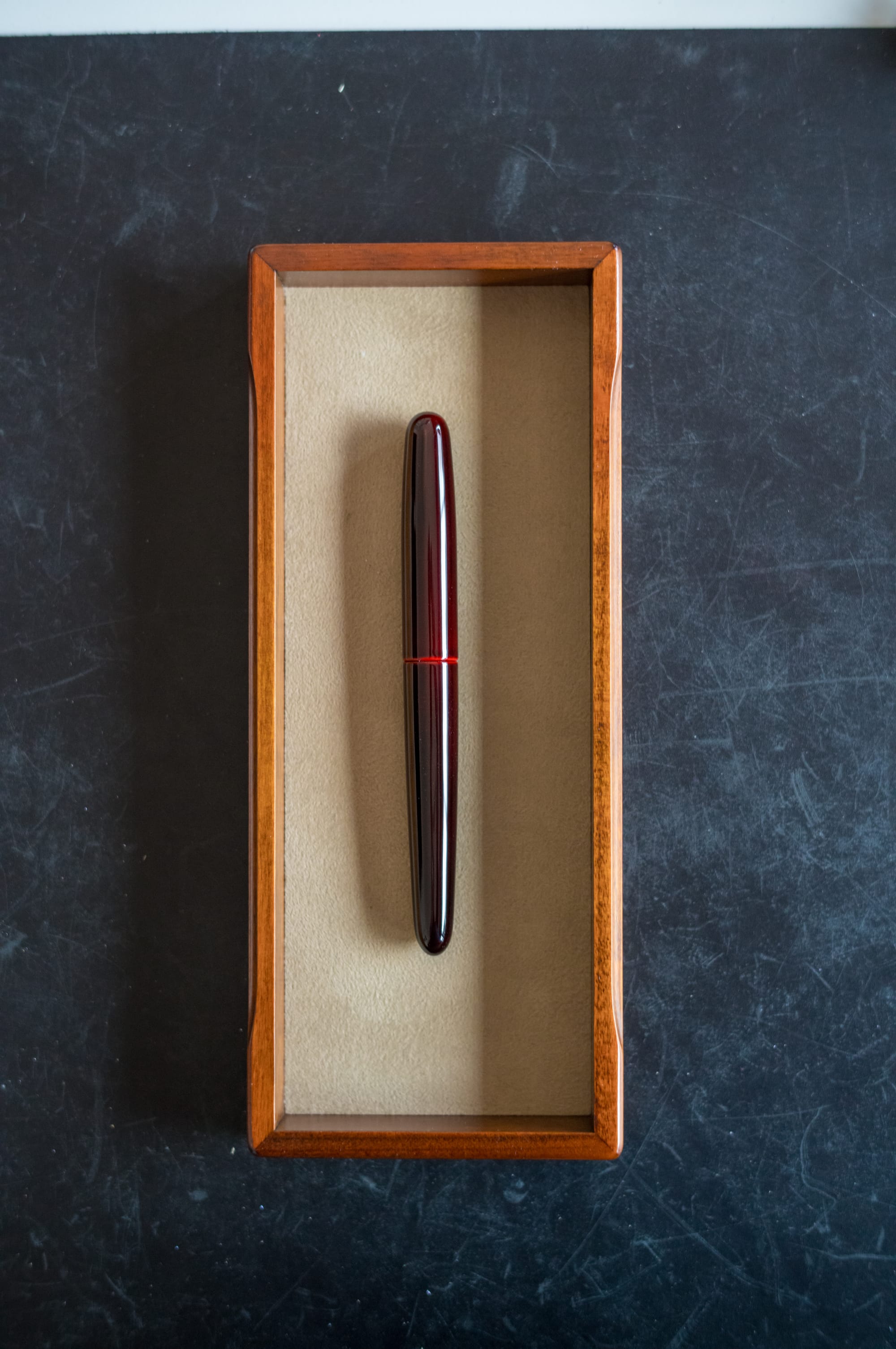
The Long is the biggest version. It has more length and a bit more presence in the hand, which might suit people who prefer larger pens or write for longer stretches.
When I purchased mines, I picked the middle ground. I have small hands and it writes perfectly fine. For comparison it's in the same ballpark as a Montblanc 146.
One detail that some might miss: Mine does not have a clip, which makes the shape look cleaner. Visually, I prefer it this way. But there is also an obvious downside: because it has no clip, the pen rolls. So in practice, you need to be a little more careful where you place it. A pen stand, pen rest, or some kind of tray is needed if you want to put it away temporary.
Closing thoughts
What I like about this pen is that it is simple. It doesn't scream. There are no logos anywhere to found. No signs, nothing. But you know it's a Nakaya due to its shape, feeling and color. The shape is clean, the finish has real depth, and the overall design does not rely on any decoration at all. Of course there are other Fountain Pens from Nakaya with beautiful ornaments (i.e: Maki-e), but those are a whole another level.
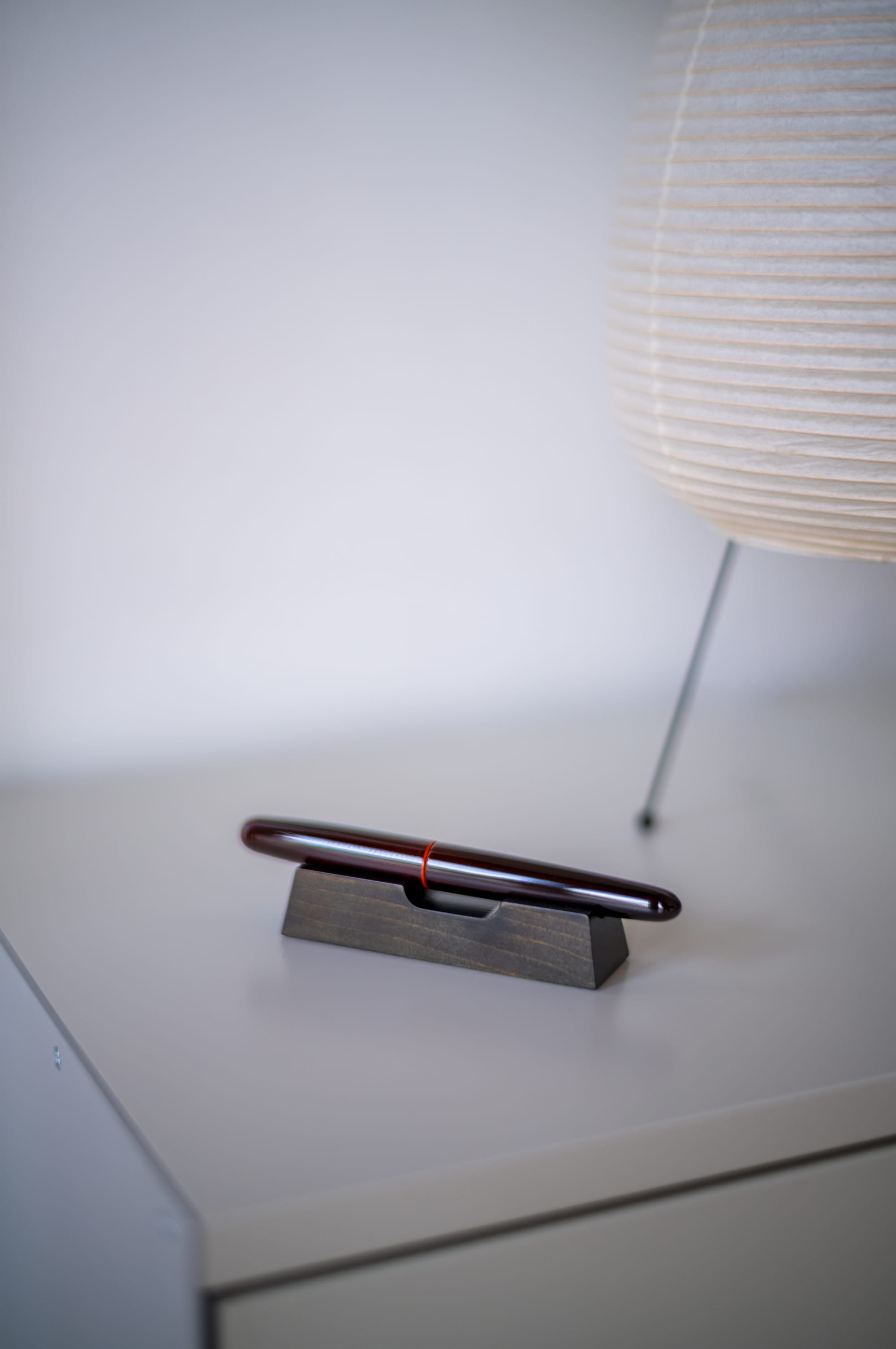
For me, the main reason was the Aka-Tamenuri finishing. I love how it changes with the light and how it gives the pen more character than a standard solid-color fountain pen. It beautifully captures Japanese minimalism.